Hemorrhoids (piles) often flare up every time you poop because passing stool puts pressure and friction on the swollen blood vessels around your anus and rectum. If the area is already inflamed, even a normal bowel movement can trigger pain, swelling, itching, or bleeding.
The good news is that reducing irritation and making stools softer often helps. However, if this happens after every bowel movement, it is worth getting checked to confirm that hemorrhoids are the actual cause.
Why It May Happen Every Time
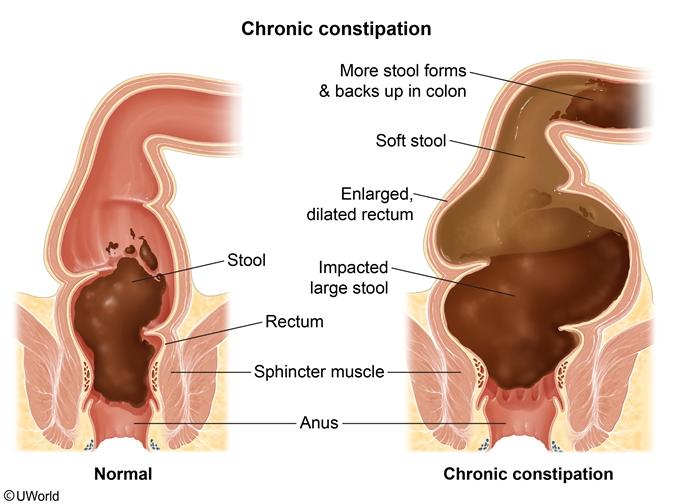
Constipation or hard stools: Passing hard stools can stretch and irritate the anal tissue.
Straining: Pushing increases pressure on the veins around the anus.
Frequent bowel movements or diarrhea: Repeated wiping and irritation can worsen swelling.
Sitting too long on the toilet: This increases pressure in the area.
Prolapsed hemorrhoids: Internal hemorrhoids may bulge out during bowel movements and become swollen or uncomfortable afterward.
An anal fissure instead: A small tear in the anal lining can cause sharp pain during pooping and burning that continues afterward. It is often mistaken for piles.
What You Can Do To Prevent Flare-Ups
Keep your stool soft: Eat more fibre, such as oats, papaya, pears, vegetables, lentils and whole grains. Drink enough water.
Avoid straining: Don’t force a bowel movement or hold your breath while pushing.
Limit toilet time: Avoid sitting on the toilet scrolling on your phone.
Try a warm sitz bath: Sit in comfortably warm water for 10–15 minutes after a bowel movement to ease discomfort.
Clean gently: Rinse with water or use soft, unscented toilet paper. Pat dry instead of rubbing.
Be careful with creams: A pharmacist or doctor can advise on suitable treatment. Avoid prolonged use of steroid-containing hemorrhoid creams without medical guidance.
Because your symptoms recur with every bowel movement, arrange a medical examination, particularly if this has been going on for more than a week. Seek urgent care for heavy or persistent bleeding, severe pain, black or dark-red stool, fever, or pus.
Book A Consultation – Get Expert Advice For Your Piles Symptoms
What Are The Main Causes Of Piles?
The main causes of piles (hemorrhoids) are increased pressure on the blood vessels around the anus and lower rectum. This pressure can cause the blood vessels to swell, become inflamed, and sometimes bleed.
Main Causes Of Piles
1. Constipation And Hard Stools
Passing hard stools can strain the anal tissues and increase pressure on the rectal blood vessels.
2. Excessive Straining During Bowel Movements
Pushing too hard while passing the stool puts additional pressure on the veins around the anus.
3. Low-Fiber Diet
Not eating enough fiber can contribute to constipation and hard stools, increasing the risk of hemorrhoids.
4. Sitting On The Toilet For Too Long
Spending excessive time on the toilet, especially while straining, can increase pressure in the anal region.
5. Pregnancy
Hormonal changes, increased pressure from the growing uterus, and constipation can contribute to piles during pregnancy.
6. Ageing And Weakened Supporting Tissues
The tissues supporting the veins in the rectum and anus may weaken with age, making hemorrhoids more likely.
7. Repeated Heavy Lifting And Physical Strain
Repeated heavy lifting, particularly when holding your breath or straining, may increase pressure in the abdominal and pelvic regions.
Other Factors That May Increase The Risk
- Chronic diarrhea or frequent bowel movements.
- A family history of hemorrhoids.
- Obesity and prolonged sedentary behavior.
- Repeated straining over time.
How Can Piles Be Prevented?
- Eat fiber-rich foods, including fruits, vegetables, legumes and whole grains.
- Drink enough water throughout the day.
- Exercise regularly and maintain a healthy weight.
- Avoid straining and prolonged sitting on the toilet.
- Treat persistent constipation or diarrhea with appropriate medical advice.
When To See A Doctor
Rectal bleeding, persistent pain, or a lump around the anus should be evaluated by a healthcare professional. Not all rectal bleeding is caused by piles.
Concerned About Piles?
Get expert guidance for piles symptoms, diagnosis, and treatment options.
CTA Button: Book an Appointment