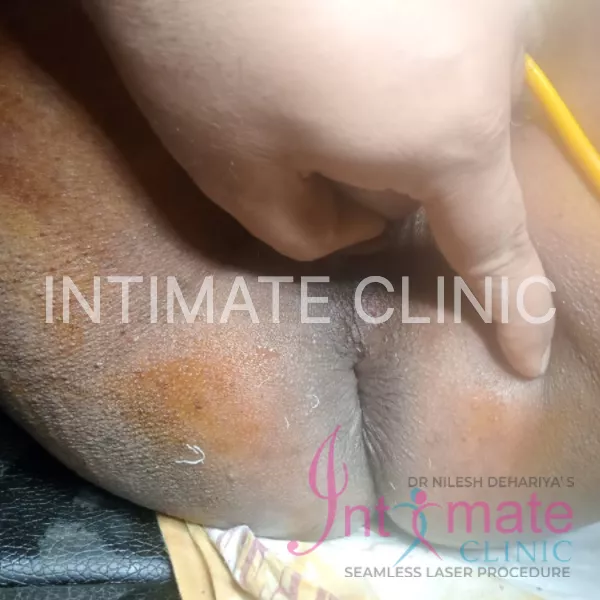
Best Rectal Prolapse Surgeon in Indore
Rectal prolapse occurs when the rectum, which is the lower part of the large intestine, protrudes or falls out of the anal opening. It is a condition that can vary in severity, and it may involve only the inner lining of the rectum (mucosa) or extend to the full thickness of the rectal wall. Patients with related pelvic conditions can also benefit from pelvic organ prolapse treatment in Indore for comprehensive care.
Types of Rectal Prolapse:
Mucosal Prolapse (Partial Prolapse): Only the inner lining of the rectum protrudes through the anus.
Full-Thickness Prolapse (Complete Prolapse): The entire wall of the rectum protrudes through the anus.
Causes of Rectal Prolapse:
Weakness of Pelvic Floor Muscles: Weakening of the muscles and ligaments that support the rectum and pelvic organs.
Chronic Constipation: Straining during bowel movements over an extended period.
Aging: Loss of tissue elasticity and muscle tone with age.
Symptoms of Rectal Prolapse:
Protrusion of Rectal Tissue: Visible protrusion of tissue through the anus.
Pain or Discomfort: Pain during bowel movements or discomfort in the anal area.
Bowel Dysfunction: Difficulty with bowel movements or fecal incontinence.
Bleeding: Bleeding from the rectum may occur.
Treatment Options:
Dietary Changes: Increasing fiber intake to prevent constipation.
Pelvic Floor Exercises (Kegels): To strengthen pelvic floor muscles.
Medications: Stool softeners or laxatives to ease bowel movements.
Biofeedback Therapy: Training to improve pelvic floor muscle coordination.
Pessary: A device inserted into the vagina to support the rectum.
Surgery: In cases of severe or recurrent prolapse, surgical procedures may be considered to repair and support the rectum.
Surgical options may include procedures such as rectopexy, where the rectum is surgically anchored to the surrounding structures, or resection, where a portion of the rectum is removed, often as part of advanced pelvic organ prolapse treatment in Indore.
The appropriate treatment for rectal prolapse depends on factors such as the severity of the prolapse, the presence of symptoms, and the overall health of the individual. If someone suspects they have rectal prolapse or is experiencing symptoms, it’s essential to consult with a healthcare professional for an accurate diagnosis and appropriate management.
What Happens If You Delay Treatment for Rectal Prolapse
If you put off addressing a rectal prolapse, the condition is likely to worsen over time. The prolapsed tissue may become more prominent, causing bleeding, discomfort, and a sensation of dragging or a bulge during bowel movements. As the tissue continues to protrude, daily activities like sitting or passing stool can become increasingly painful and difficult.
Long-term neglect can damage the nerves and muscles that support the rectum, increasing the risk of incontinence or chronic constipation. The continuous strain and sliding of the rectal wall may also lead to ulceration or prolapse that can’t be reversed with conservative measures. Early surgical intervention offers the best chance to restore proper anatomy, preserve function, and prevent permanent damage.