Piles is not just about pain or discomfort—it is also closely connected to your daily eating habits. Many people suffer from piles because of poor diet, irregular meals, and low water intake.
Constipation is one of the biggest triggers for piles, and diet plays a major role in it. Hard stool and straining during bowel movements increase pressure on the veins, making the condition worse.
This is why patients visiting a piles doctor in Indore are often first advised to improve their diet before starting any advanced treatment.
How Diet Affects Piles
Your digestive system depends heavily on what you eat. A diet low in fiber leads to hard stool, which is difficult to pass. This causes straining, which directly impacts piles.
On the other hand, a balanced diet with enough fiber and fluids helps in smooth bowel movements. It reduces pressure on the anal veins and helps in faster healing.
So, food is not just a part of treatment—it is one of the main solutions.
What to Eat for Faster Relief
Including the right foods in your daily routine can make a big difference.
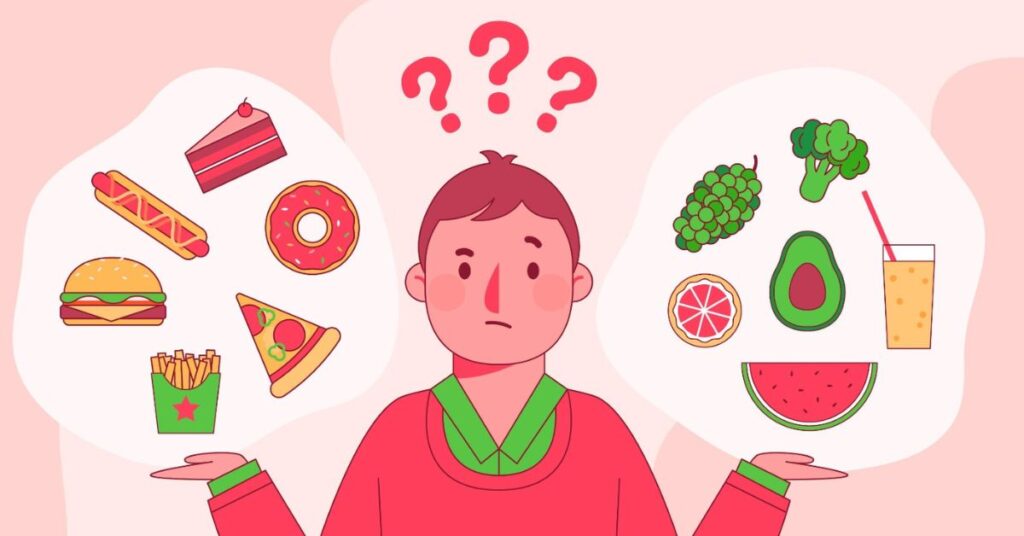
Fiber-rich foods are the most important. They help soften stool and improve digestion. You should include fruits like apples, bananas, and papaya. Vegetables like spinach, carrots, and लौकी are also very helpful.
Whole grains such as oats, brown rice, and whole wheat should be a regular part of your diet. These provide the fiber needed for smooth bowel movement.
Drinking enough water is equally important. At least 8–10 glasses of water daily help prevent dryness in stool.
Many patients who follow these changes notice improvement without needing major treatment. However, if symptoms persist, consulting a laser piles surgeon in Indore can help you explore further options.
What to Avoid in Piles
Just as important as what to eat is what to avoid.
Spicy and oily food can irritate the digestive system and worsen symptoms like burning and discomfort.
Processed and junk food lack fiber and can lead to constipation. Items like fast food, packaged snacks, and refined flour should be limited.
Excess tea and coffee can also cause dehydration, which makes stool harder.
Ignoring diet while expecting recovery is one of the most common mistakes people make.
When Should You See a Doctor?
If you are following a proper diet but still facing problems like pain, bleeding, or constipation, it is important to seek medical advice.
A visit to the best piles doctor in Indore can help you understand whether you need additional treatment along with diet changes.
Why Diet Alone Is Not Always Enough
While diet plays a major role, it may not completely cure advanced piles. In such cases, medical treatment becomes necessary.
A piles surgeon in Indore can guide you with the right combination of diet and treatment for long-term relief.
Managing piles starts from your plate. A healthy, fiber-rich diet and proper hydration can reduce symptoms and prevent the condition from worsening. Small daily changes can lead to big improvements in your health.