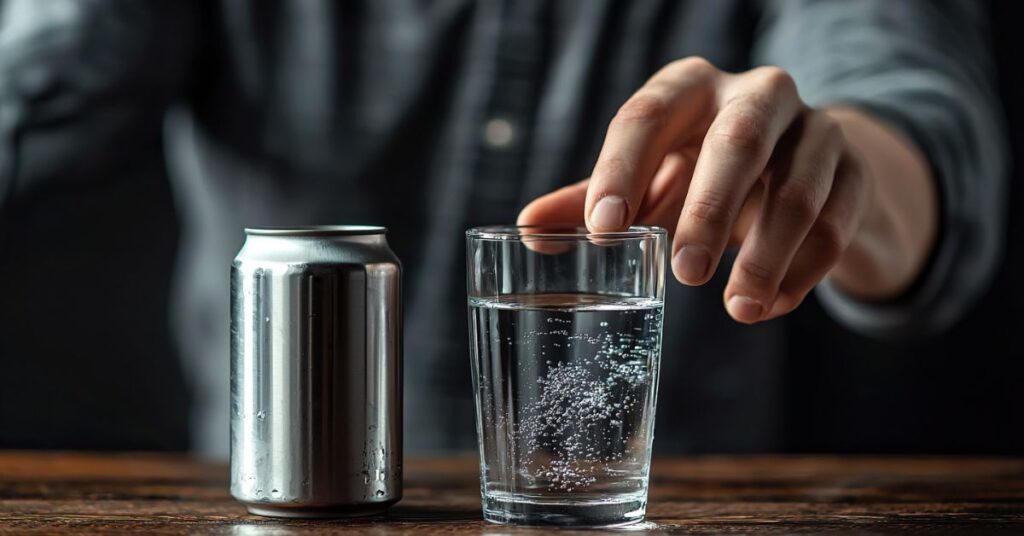
Many people believe that simply drinking more water can cure piles. While water is extremely important for digestive health, it is not a complete cure on its own.
Piles usually develop due to constipation, straining, and poor lifestyle habits. Water helps address one part of the problem, but not the entire condition.
Still, hydration plays a major role in managing symptoms and preventing worsening of piles.
How Water Helps in Piles
Water helps soften stool, making it easier to pass. When stool is soft, there is less need to strain during bowel movements, which reduces pressure on the veins.
It also helps in maintaining smooth digestion and prevents dryness in the intestines.
People who do not drink enough water are more likely to suffer from constipation, which directly worsens piles.
That’s why increasing water intake is one of the first recommendations given by a piles dr in Indore.
How Much Water Should You Drink?
Most adults should aim for at least 8–10 glasses of water daily. In hot weather or for physically active individuals, the requirement may be higher.
Drinking water throughout the day is better than consuming large amounts at once.
You can also include fluids like coconut water, soups, and fresh juices to stay hydrated.
Limitations of Water Alone
While water helps reduce symptoms, it cannot shrink piles or cure advanced stages.
If piles have already progressed, additional treatment may be required. In such cases, relying only on water can delay proper care.
This is why patients with ongoing symptoms are advised to consult a best piles surgeon in Indore for proper evaluation.
When Should You See a Doctor?
If you are drinking enough water but still facing issues like:
- Pain
- Bleeding
- Swelling
- Difficulty in passing stool
Then it is time to consult a piles doctor in Indore for proper treatment.
Why a Combined Approach Works Best
Water works best when combined with a proper diet, physical activity, and medical care if needed.
A piles surgeon in Indore can guide you on how to manage your condition effectively with the right combination of lifestyle changes and treatment.
Drinking water is essential for managing piles, but it is not a complete cure. It should be a part of a balanced approach that includes diet, lifestyle, and medical care when required.